What Happens After a Brain Injury? Understanding Care Options in Edinburgh
A brain injury can change everyday life in ways that are difficult to predict. The effects may involve movement, communication, memory, concentration, behaviour or emotional wellbeing. For families, one of the hardest questions is often what happens after hospital treatment ends.
There is no single pathway. Some people return home with ongoing support, while others need specialist rehabilitation or longer-term neurological care. The right setting depends on the person's needs, goals, safety and potential for recovery.
For families and professionals in Edinburgh, understanding these stages can make discussions about ongoing care clearer.
What Happens Immediately After a Brain Injury?
In the early stages, medical treatment focuses on stabilising the person and managing the immediate effects of the injury. As their condition becomes clearer, the clinical team can begin assessing how the injury has affected physical, cognitive, communication and emotional function.
Some difficulties may not become fully apparent straight away. Headway notes that longer-term problems can emerge as rehabilitation begins or even after someone returns home.
This is why early recovery is not simply about whether someone is medically stable. The team also needs to understand what support the person will require once acute hospital treatment is no longer necessary.

When Does Neuro Rehabilitation Begin?
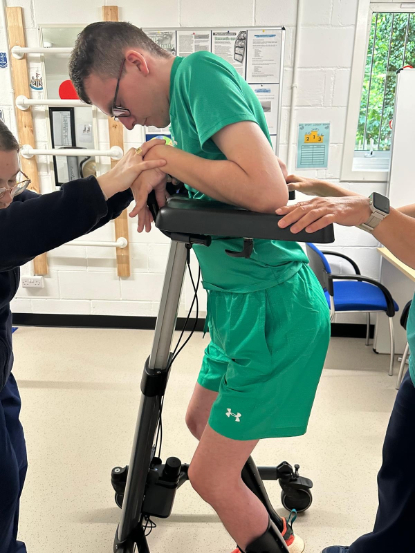
Rehabilitation may begin while someone is still in hospital and continue after discharge. Its purpose is to help the person improve, maintain or adapt their abilities so they can participate as independently as possible in everyday life.
NICE recommends assessing rehabilitation needs and setting goals around the individual's physical, cognitive, emotional, psychological, communication and social needs. Rehabilitation plans should then be reviewed as needs change.
Depending on the person's difficulties, rehabilitation may involve areas such as mobility, communication, cognition, daily activities and participation in ordinary routines.
At Gilmerton Neurological Care Centre, slow-stream neuro rehabilitation is provided for adults with acquired brain injuries and complex neurological conditions. The centre's rehabilitation team includes physiotherapists, occupational therapists and therapy assistants, with therapy delivered throughout the week and tailored to individual needs.
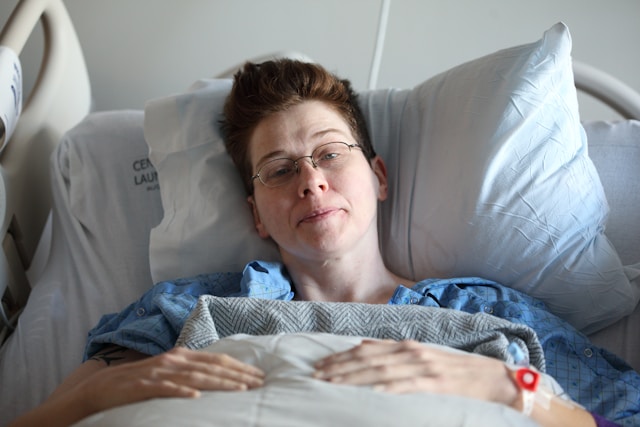
What Happens When It’s Time to Leave the Hospital?
Leaving the hospital is an important transition, rather than the end of rehabilitation.
Before discharge, a person's remaining difficulties and safety must be thoroughly evaluated, along with a structured plan to meet their ongoing rehabilitation and support needs. A comprehensive assessment should cover all physical, cognitive, emotional, and behavioural changes. Additionally, the clinical team must review the suitability of the home environment and confirm the exact level of care and support available to the individual once they return home.
For some people, returning home is appropriate. Others may still need specialist rehabilitation or a setting where nursing and therapeutic support can be provided together.
NICE also recommends that rehabilitation needs and goals are reviewed when someone moves from acute to longer-term rehabilitation.
What Are the Options After Hospital Discharge?
The appropriate next step depends on the individual's needs.
Some people can return home with community-based rehabilitation and other support. Others may benefit from inpatient rehabilitation before moving home. A residential setting may be considered when someone continues to require specialist care, rehabilitation or nursing support but is not ready to live independently.
Headway identifies inpatient, outpatient and community rehabilitation as possible settings, with continuing care also available where longer-term support is needed.
For professionals arranging a transition in Edinburgh, the important question is not simply where someone can be accommodated. It is whether the setting can provide the level and type of support they currently need.
Gilmerton works with referring professionals and families to assess whether its environment is appropriate. Its clinical team reviews referrals according to current care needs, rehabilitation potential and relevant risk factors.
When Is Specialist or Slow-Stream Neuro Rehabilitation Needed?
Recovery after brain injury does not always follow a predictable timetable. Some people continue to make progress after leaving hospital but need longer-term, lower-intensity rehabilitation to work towards their goals.
This is where slow-stream rehabilitation can be relevant. Gilmerton describes it as longer-term, low-intensity support for people whose recovery is continuing gradually. Goals are developed with the individual and their family and reviewed as needs evolve.
Rehabilitation does not necessarily mean trying to restore every ability exactly as it was before the injury.
For a person living with an acquired brain injury, progress might involve improving mobility, developing strategies for cognitive difficulties or becoming more confident with everyday activities.
How Can Nursing Care and Functional Therapy Support Recovery?
Rehabilitation and nursing care can have different roles, but they can also work alongside one another.
Nursing care focuses on ongoing health needs, monitoring and clinical support. At Gilmerton, nursing care is available 24 hours a day for people with complex neurological needs. Individual care plans are regularly reviewed and adapted as circumstances change.
Gilmerton's nursing care service provides support for adults with acquired brain injury and neurological conditions, with input from nurses, carers and wider healthcare professionals.
Functional therapy focuses more directly on everyday ability. This can include working on routines, problem-solving, executive functioning, personal care and meaningful activities. At Gilmerton, functional therapy is designed around practical goals and incorporated into daily life.
The distinction matters. Rehabilitation is not simply a series of clinical appointments. Where appropriate, practising skills within ordinary activities can help make rehabilitation relevant to everyday life.
Can Someone Return Home or Move Towards Greater Independence?
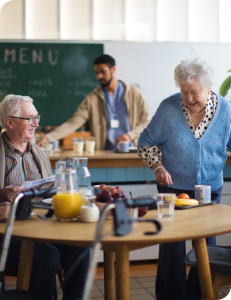
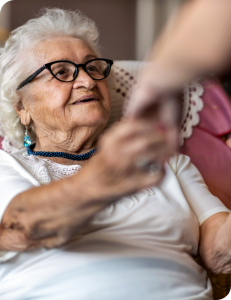
For some people, returning home may become possible as abilities and confidence develop. Others may move towards supported living or another setting that provides the right balance of independence and assistance.
Progress can therefore be measured in different ways. It might involve managing a personal routine more independently, communicating more effectively, participating in activities or developing skills needed for greater community involvement.
The goal should reflect the individual rather than a fixed timetable. At Gilmerton, rehabilitation goals are developed with residents, families and the multidisciplinary team, with progress reviewed regularly.
How Do You Choose the Right Neurological Care Setting?
Choosing care after a brain injury requires more than comparing accommodations. Families and professionals should consider whether the setting can respond to the person's current needs while supporting appropriate rehabilitation and longer-term goals.
Useful questions include whether the service has experience with acquired brain injury, what rehabilitation is available, how care plans are reviewed, and how nursing and therapy work together.
It is also worth asking how the service involves families and what happens if the person's needs change. It's recommended to contact several rehabilitation units and visit them to assess suitability before making a decision.
Gilmerton Neurological Care Centre in South Edinburgh provides slow-stream neuro rehabilitation, 24-hour nursing care, functional therapy and palliative support for adults with acquired brain injuries and complex neurological conditions. Its referral team can assess whether the service is suitable for an individual's needs.

FAQs
Can brain injury symptoms appear or change after leaving hospital?
Yes. Some longer-term difficulties may become clearer as recovery progresses. Changes can involve physical, cognitive, emotional or behavioural function, which is why ongoing assessment and rehabilitation can be important.
What factors affect recovery after a brain injury?
Recovery varies according to the nature and severity of the injury and the person's individual difficulties, health, circumstances and rehabilitation needs. There is no reliable timetable that applies to everyone.
How involved can family members be in rehabilitation and ongoing care?
Family involvement can be valuable when appropriate. It's recommended to involve the person and people important to them when developing a personalised rehabilitation plan.
Can care needs change over time after a brain injury?
Yes. Rehabilitation needs, goals and the level of support required can change as recovery progresses. Care plans should therefore be reviewed rather than treated as fixed arrangements.
What should I prepare before a brain injury care assessment?
Useful information can include the person's current abilities, communication needs, mobility, cognitive difficulties, daily routines, rehabilitation goals and any ongoing nursing requirements. This helps the assessment focus on the support the person needs now and what they may need next.
If you are considering neurological care or rehabilitation in Edinburgh, you can get in touch with us to discuss whether the service may be appropriate for your circumstances.